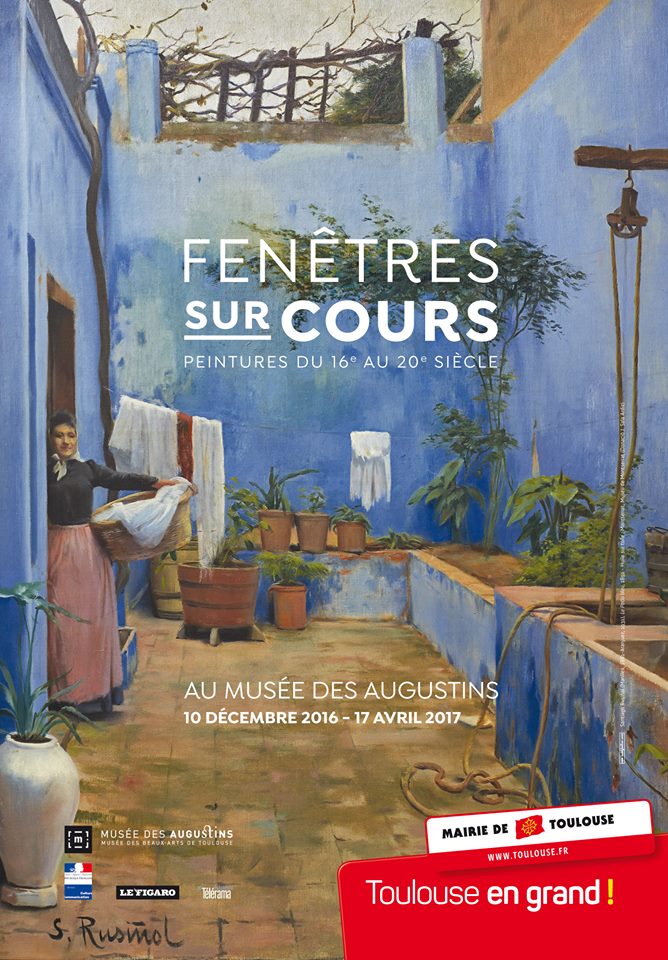
to 10h de “Fenêtres sur cours”, une exposition inédite sur la représentation de la cour en peinture.
Parcours famille dans l’expo, visites commentées, audioguides, ateliers, conferences… de nombreuses activités vous permettront d’enrichir votre visite. plus d’infos sur www.augustins.org
“La thématique est illustrée avec des tableaux du XVIème au XXème siècle sans exclusivité d’école ou de mouvement artistique. Certaines périodes bénéficieront d’un éclairage particulier : le XVIIe siècle nordique pour les cours de tavernes, de maisons ou de palais fantasmagoriques ; les peintres d’architecture italiens du XVIIIe siècle ; le XIXe siècle français pour les cloître reconstitués à la troubadour ou laissés à l’état de ruines, le goût néo-grec et ses atriums, les réalismes et leur regard chirurgical porté sur la misère urbaine ; l’orientalisme avec son appétence pour les patios ainsi que l’impressionnisme dans sa captation du plein air ; le XXe siècle enfin avec des visions décalées ou poétiques de ce lieu de toutes les mélancolies.
Il s’agit de la toute première exposition consacrée à ce thème, point de vue original sur les peintures de paysage et d’architecture.
L’hétérogénéité des motifs, des styles artistiques, des époques et des peintres a conduit à proposer un parcours de l’exposition qui évoque alternativement les types de lieux et les fonctions. “
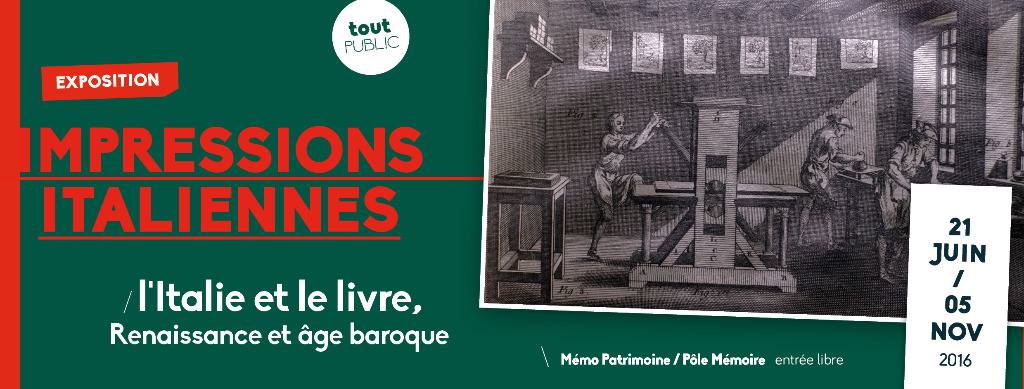
AU PÔLE MEMOIRE Espace Perbosc 2 bd Herriot Montauban
Entrée libre et gratuite
Horaires d’ouverture : mardi au vendredi 9-12h / 14-17h
Vernissage en musique : Tuesday 21 juin à 18h30. Avec la participation du Département de musique ancienne du Conservatoire de Montauban.
Au début du XVIe siècle, l’Italie s’affirme comme le centre européen de l’imprimerie, née un demi-siècle plus tôt en Allemagne. La capitale du livre est alors Venise : au milieu du XVIe siècle, pas moins de 100 to 150 presses y sont actives en même temps. Ce qui fait dire à l’humaniste Erasme qu’il y est plus facile de devenir imprimeur que boulanger !
A travers livres, manuscripts, gravures, partitions et cartes issus des fonds anciens de la Mémo Patrimoine, l’exposition se propose de dresser un panorama du foisonnement intellectuel, scientifique et artistique de l’Italie des XVIe et XVIIe siècles, qui marquent l’époque florissante de la renaissance et l’apogée de l’âge baroque.
Au-delà des ouvrages imprimés en Italie même, les livres d’auteurs italiens édités en Europe, en langue originale ou bien traduits, témoignent du rayonnement qui était alors celui de l’Italie dans toute l’Europe, notamment en France, et des liens particuliers qui unissaient les deux pays
“Caterina, du gris au noir ! ”
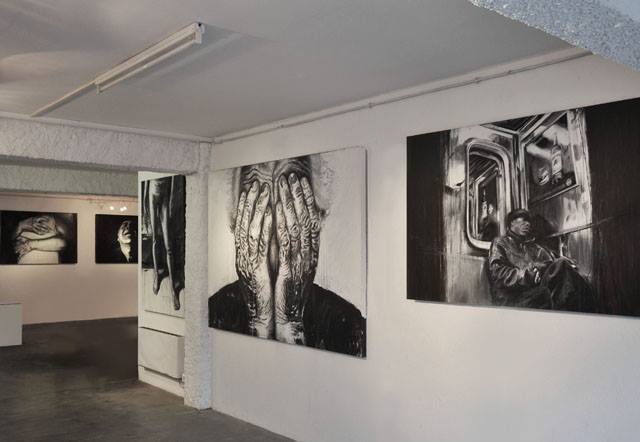
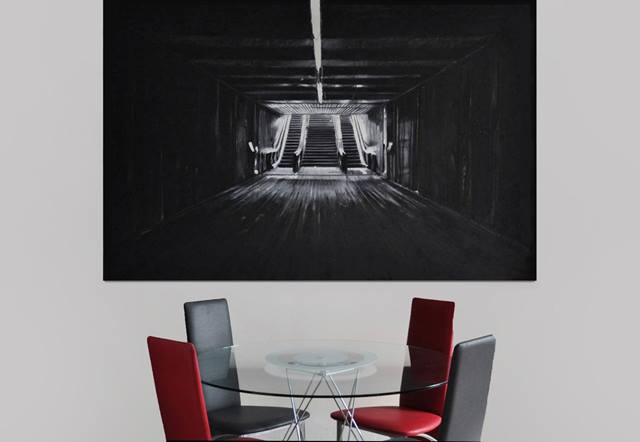
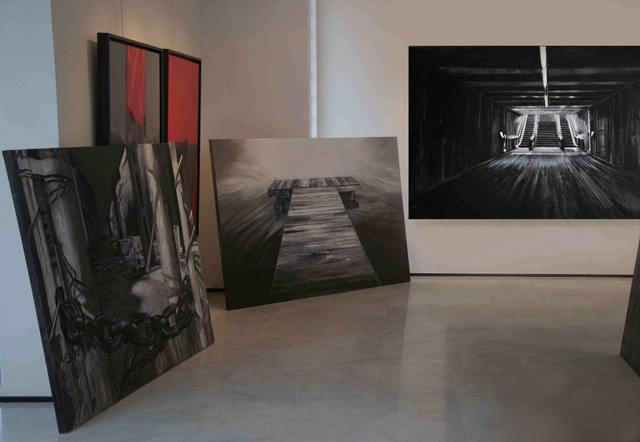
Fils de calabrais, natif et enfant du Nord, c’est à Toulouse que l’artiste s’est construit. A une longue période d’abstraction parsemée d’écarts, succédera une représentation quasi hyperréaliste. Ce que montre Caterina n’est pas engagé mais n’est pas neutre. Son art ne prend pas position et n’est pas décoratif. Il n’appartient ni à une nouvelle figuration, ni à aucun autre mouvement. Il est simplement de son temps- juste actuel, ne cessant d’interroger l’art et ses époques. Les enjeux et questions n’y sont ni absents ni évacués et l’histoire de l’art souvent re-visité. Le gris si cher à son cœur, bien qu’édulcoré de jaune, de rouge, etc. est toujours présent mais il vire de plus en plus au noir.
Toujours sur le chemin, tenant le cap et œuvrant au seul sujet qui intéresse la peinture, c’est à dire la peinture elle même, Caterina nous livre aujourd’hui des images « coup de feu », sombres, parfois ironiques, renvoyant à la photo et au cinéma par leurs sujets, leurs cadrages et compositions. Elles renvoient aussi à nos propres avatars, nous dérangent, nous questionnent.
Celles que vous découvrirez chez RADICI, ne se dérobent pas.”
Mona Oguerlen
Auteur, Amateur d’art
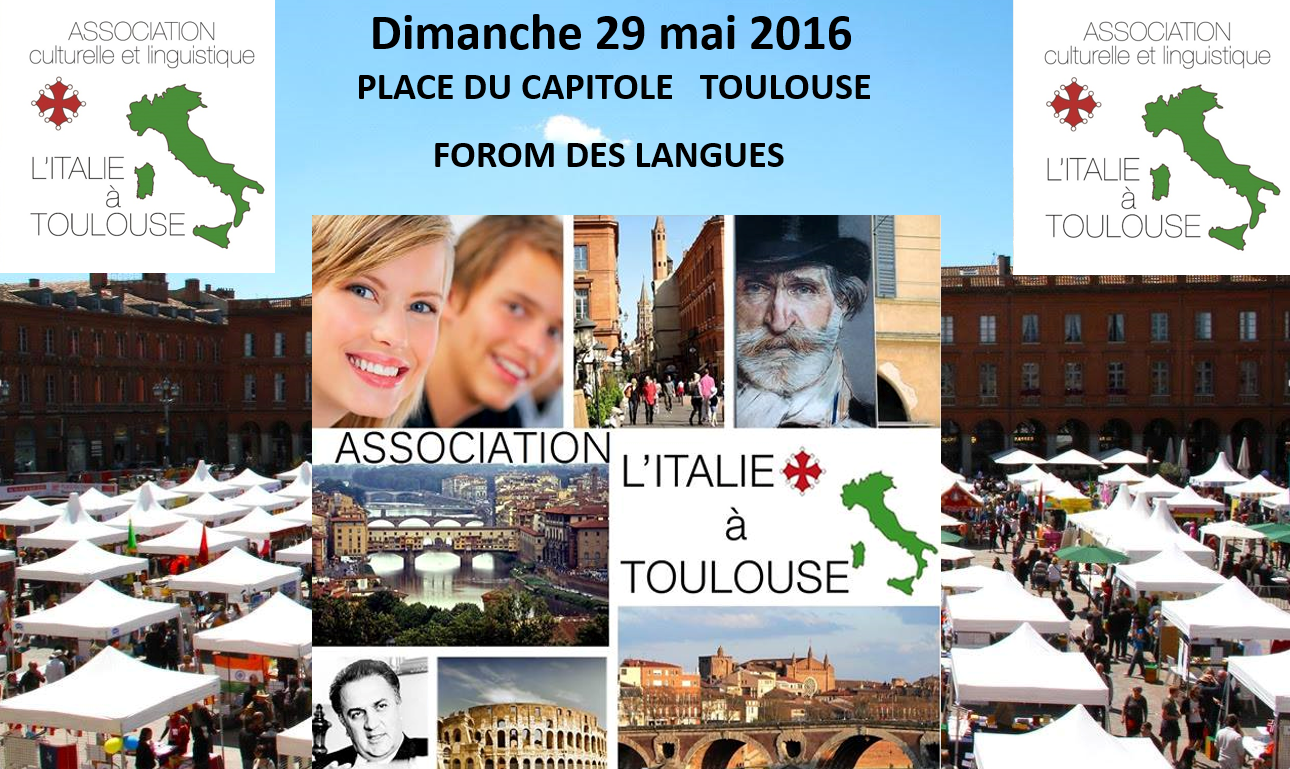
Forom of the languages of the world : the edition 2016
The Forom of the languages of the world was born in Toulouse, en 1992, the will of the Carrefour Culturel Arnaud-Bernard.
It is, in the world, the first Festival of languages to put in practice as in theory cultural equality of all languages of the world : more dialects, more patois, more than “small” opposite languages to of “large”, more linguistic nonsense dictated by the policy. Thus ruining the ideological foundations of all nationalism, ethnocentrism, or racism ; and thereby contributing even to build this radical philosophy of cultural plurality which is, as wrote Félix Castan, “the only message that can be accepted and taken up by all cultures of the world”.
He returned to the Occitan literature to have forged this message, in hiding.
At the France now hoist the banner, and to make a policy, inside and outside its borders : She can never find more great, of more generous.
Claude Sicre
http://www.arnaud-bernard.net/index.php/forom_des_langues.html
Paradoxical feeling than pacing the aisles circular and narrow water Castle while inspiring a great breath of fresh air.
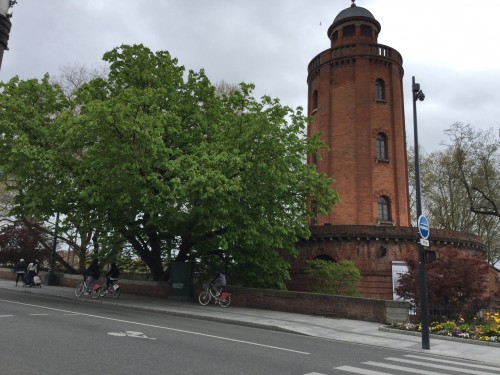
Exhibitions until the 29 more, Gallery of the Château d'Eau
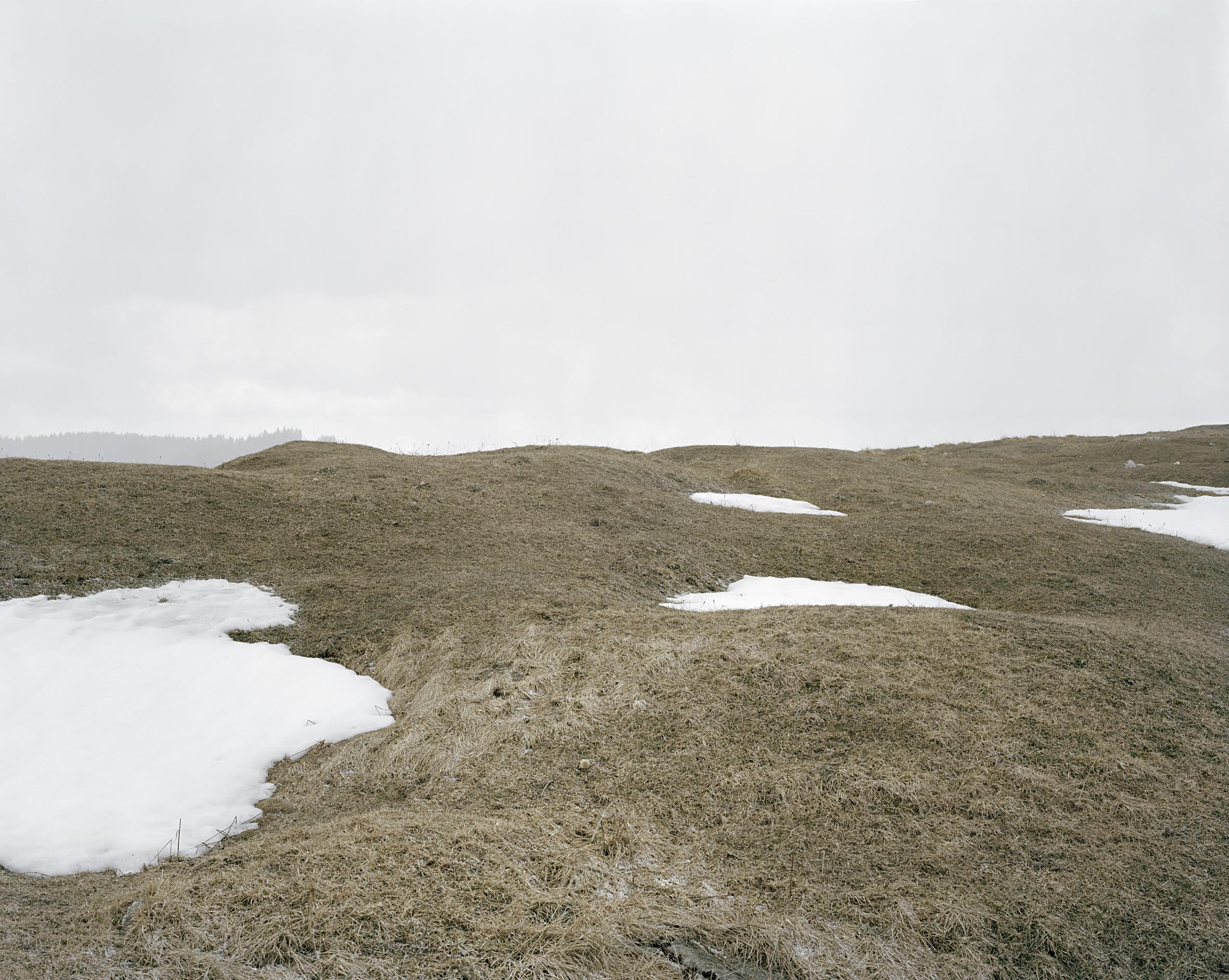
The mountain landscapes photographed by Paola De Pietri breathe.
Landscapes of his 'To Face' series are a particular aesthetic.
« On these mountains, where human time is stopped and where only the rhythm of nature printed its trace, landscapes that seem natural are in fact the result of delivered battles and life lived every day for years by hundreds of thousands of soldiers "explains photographer.
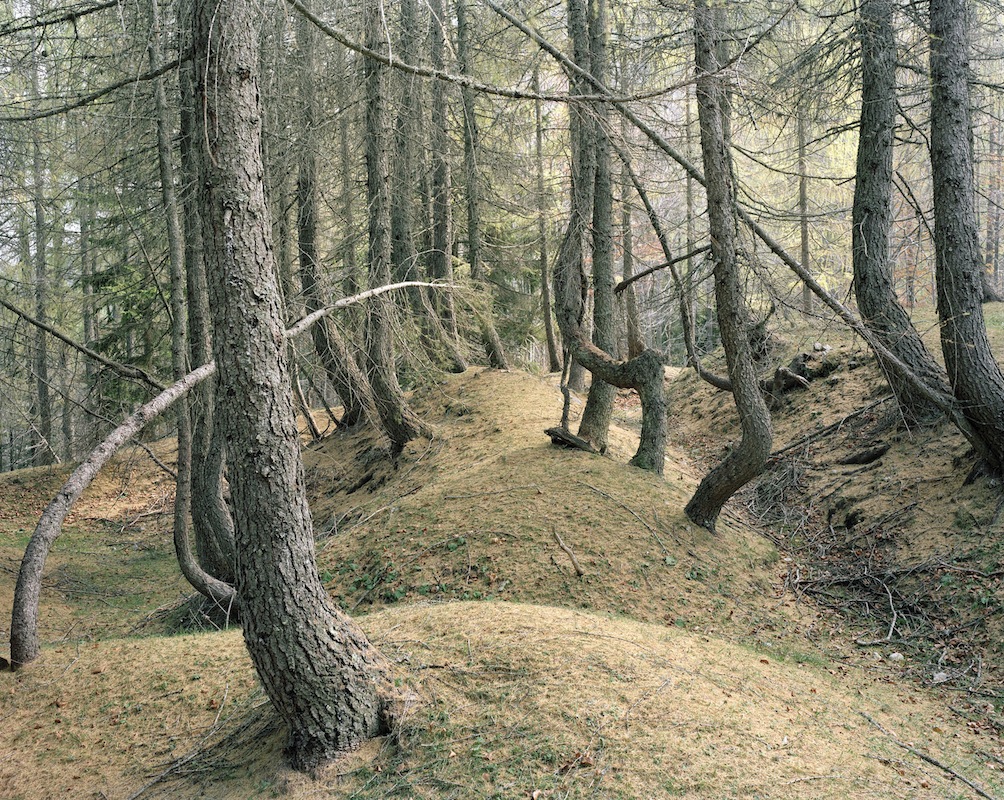
Snapshot of Paola Pietri
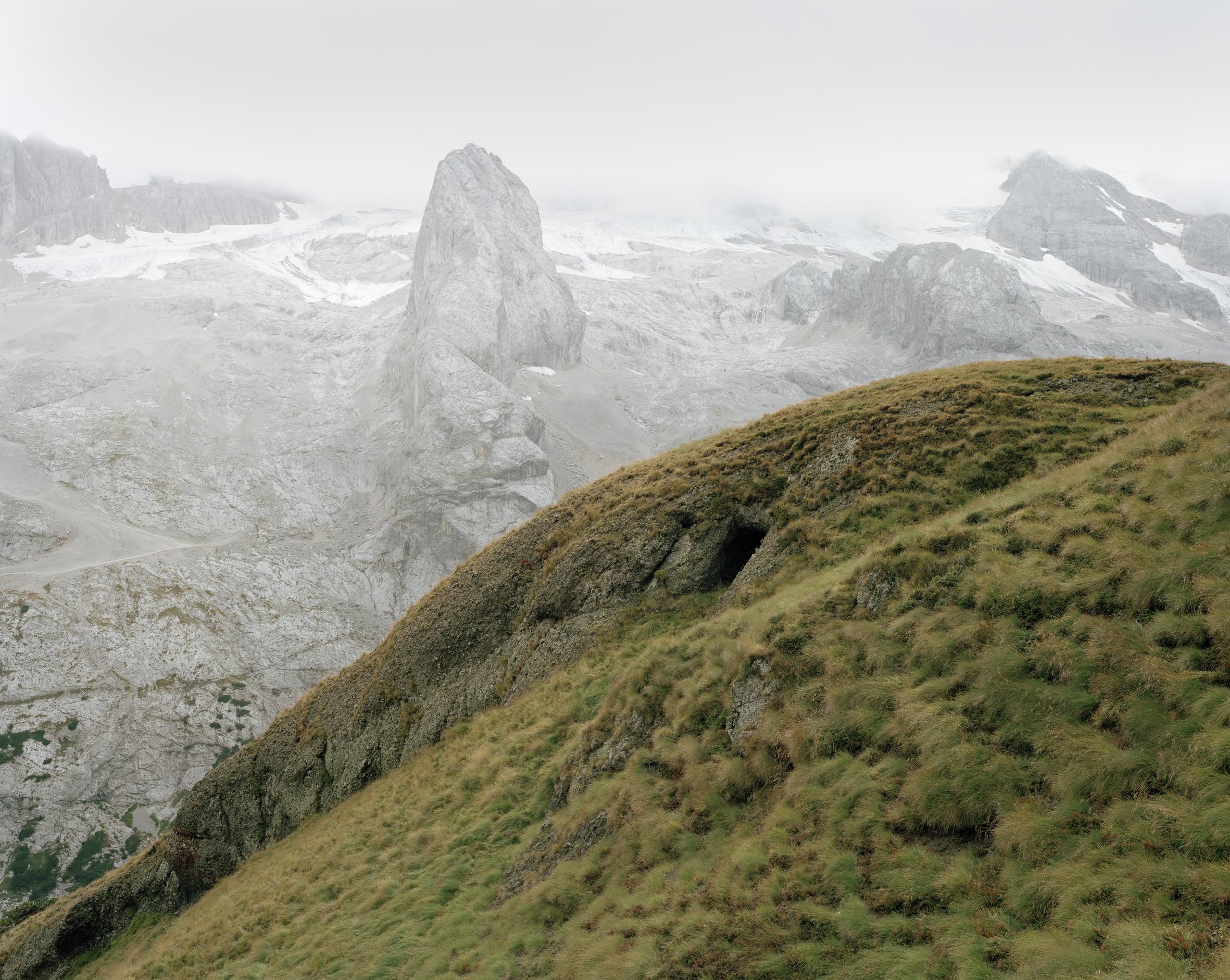
There a cascade of stones that we imagine shaped by erosion, There's valleys in the middle of the pines thought drawn for centuries, are actually only a land hit by bombings or dug trenches made by soldiers of the first world war. Stigmata of the hell of war in a paradisiacal land... Mountain Mist also wraps us in our thoughts. Behind a tablecloth, We guess a cave or a cache that has not hosted a bear wintering entrance but men hunted down or storing ammunition there, blowing a few moments before the clatter of weapons.
Paola De Pietri shots are beautiful but rough. They lead us into a stroll but especially work memory. These snapshots of sites who will still be there after we, It was necessary to look for. And while sailing in our imagination, Considering also the journey that the artist had to make to meet face (To Face) these stone monuments. "To get closer to a grand narrative., She hired her body for several years, by thoroughly exploring the mountains. History, If it must be still seen among the problems of our Postmodernity, requires time and effort,"says Roberta Valtorta, critic and Director of photography Milan contemporary Museum.
Second stage of our journey to Toulouse, room located under the arches of the Pont Neuf to the discovery of Mario Giacomelli.
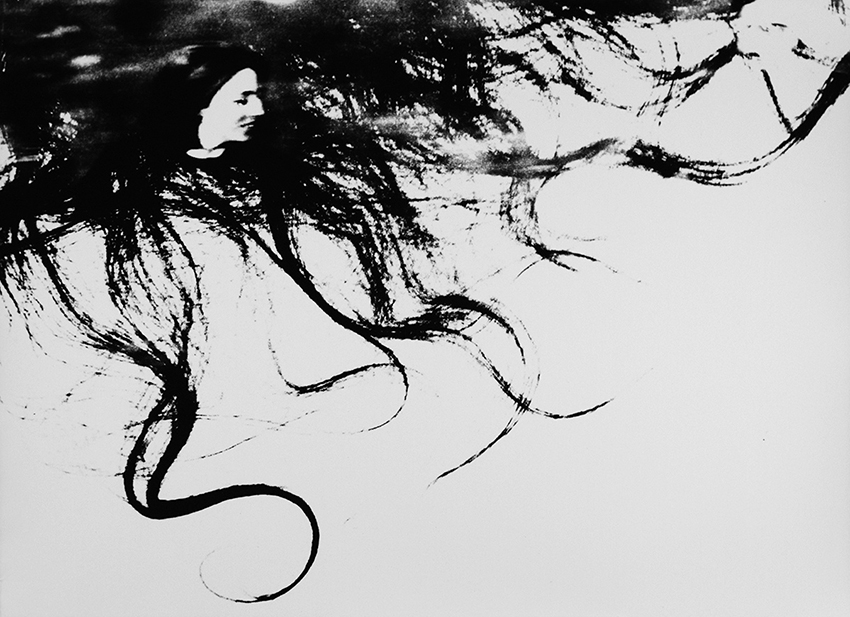
The room, Immaculate, lends itself perfectly to the decryption of the work of one who always considered himself as a manufacturer of image : "I do not the photographer., I do not know do.. Difficult to describe "inventions" of this now world-famous artist. Both abstract compositions, readable and telling a story.
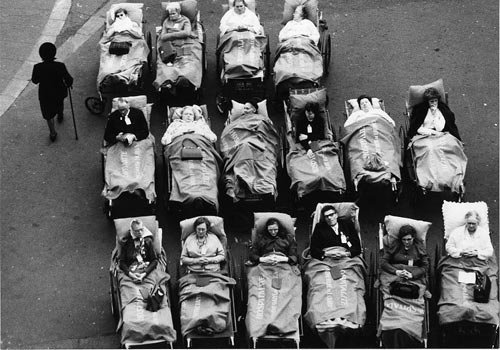 Snapshot of Mario Giacomelli
Stacking several from shots of different series, adding perspectives artificially but cleverly posed in the framework, Giacomelli embarks us. Really take the time to read each of his works. Those that have me the most marked : This seascape where we see both the breadth of sea, captivating, and what seems to be, posed on a sand dune from the shore, a man and a child ; and then this other country composition coupling a farmhouse perched on a hill and an aerial view of fields dotted with grooves.
As of Pietri, Giacomelli also seems to want to rebuild that man has destroyed. The land on which it has shaped is the markets where he was raised and where he lived until his death in 2000.
To Face, Paola Pietri
« I am not the photographer, I do not know to do », Mario Giacomelli
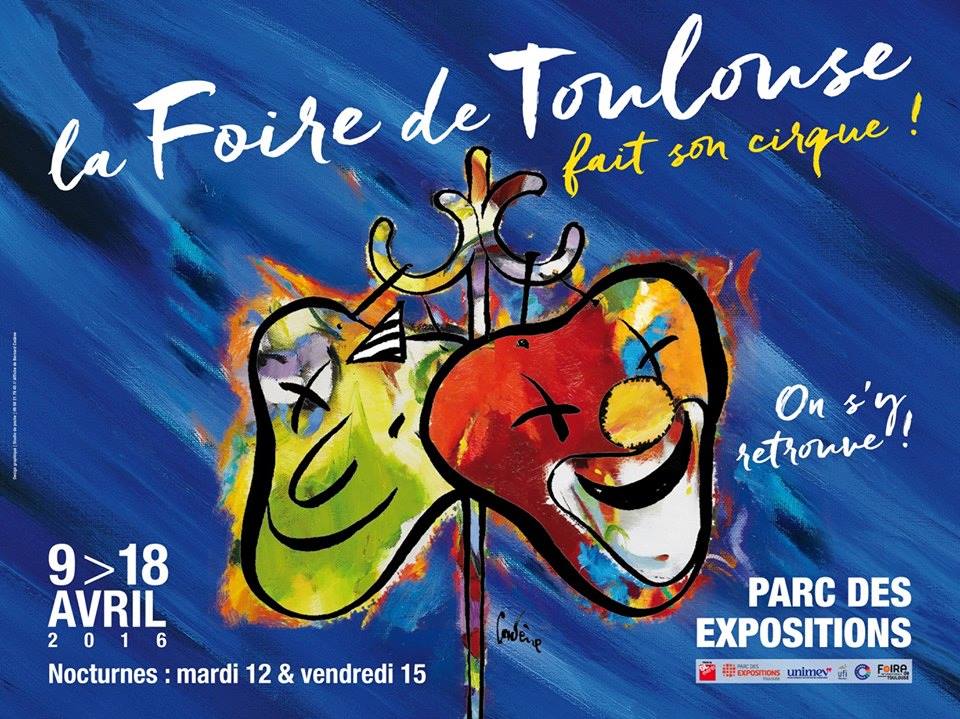
Course «COULOWERS ITALY ». You can admire, taste and buy our regions specialities and handicrafts
Exhibition of the Italian photographer Mario GIACOMELLI. The opening is open to everyone from 18 h to 20 h 30. The exhibition will be open from April 1 to the 29 may every day except Monday from 13 h to 19 h. The water tower 1, place Laganne 31300 TOULOUSE / 05 61 77 09 40 http://www.galeriechateaudeau.org/
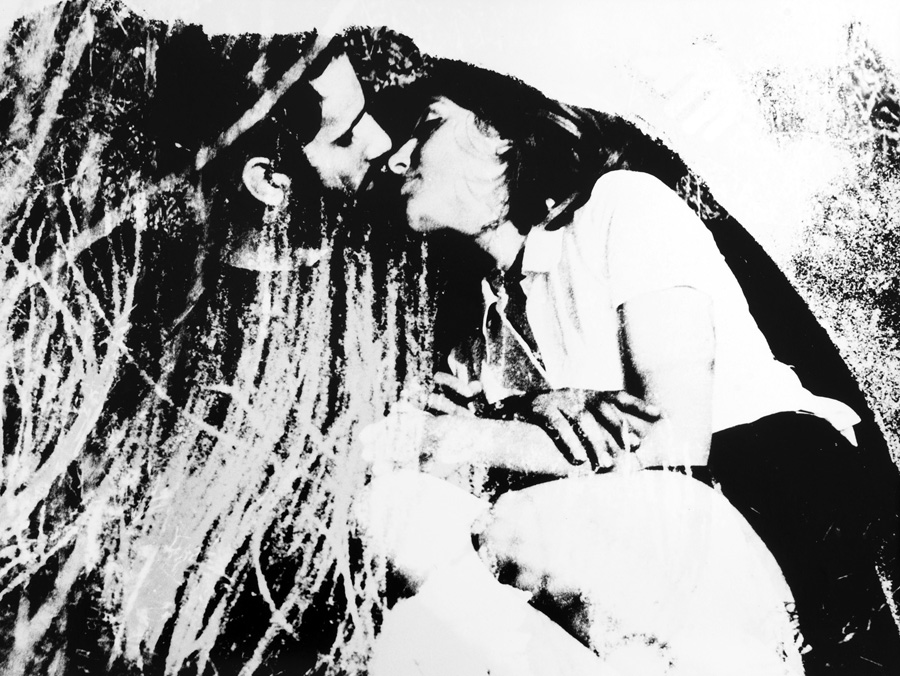
“I am not the photographer, I do not know do.”
→ Vernissage Thursday 31 March 18:30 to 20:30
→ Conference Wednesday 18 may at 19:00 - Katiuscia Biondi Giacomelli, philosopher and curator, will present the work of his uncle Mario Giacomelli.
“My photographs are the representation of moving signs and fracture of pure reality so that the image presents itself in an interior architecture between the idea and abstraction, the translation of reality in moods, the search for new energies”
This photographer internationally famous, It holds including its sets on hospices, landscapes seen from aircraft or the lives of the farmers of her region, yet Mario Giacomelli has ceased to invent. Taking photographs from his various series, by finding others on his films, playing in the laboratory, overlaying the negatives, appropriating accidents, Mario Giacomelli has created a graphic language and abstract singular. Subsequently assembling his images in long sentences, It is claimed as the Visual poet that he was always. It is this less known that this exhibition address.
Exhibition of the photographer Italian Paola de Pietri. The opening is open to everyone from 18 h to 20 h 30. The exhibition will be open from April 1 to the 29 may every day except Monday from 13 h to 19 h. The water tower 1, place Laganne 31300 TOULOUSE / 05 61 77 09 40 http://www.galeriechateaudeau.org/
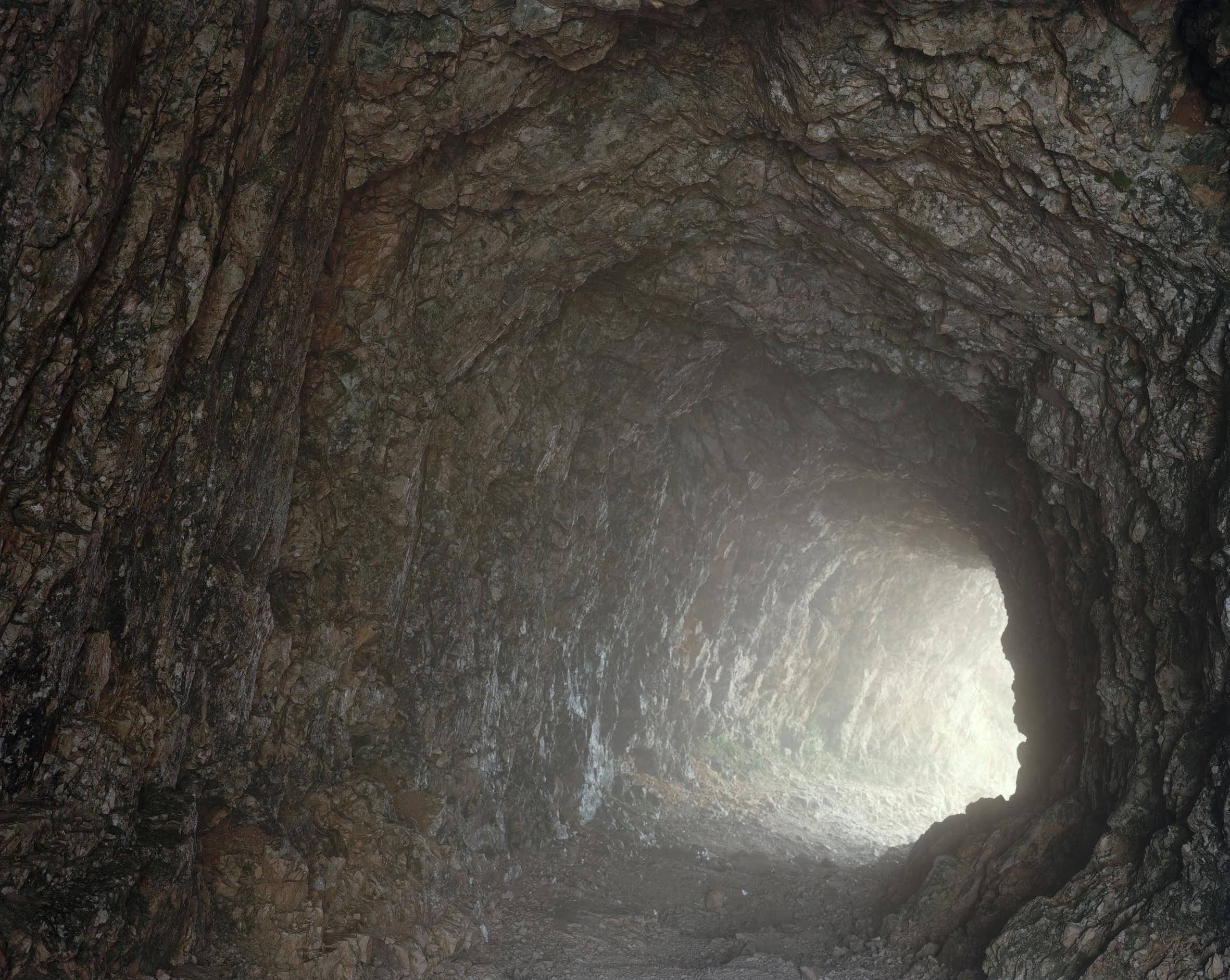
His work in the Alps, on the border of northeast of the Italy and the Austria tries to reveal the scars of World War II : walls, trenches, shelters dug into the rock through a very varied landscape of forests of black pine, pastures and stony heathland.
The artist says : "On these mountains., where human time is stopped and where only the rhythm of nature printed its trace, landscapes that seem natural are in fact the result delivered battles and lives lived all day for years by hundreds of thousands of soldiers». These traces of fighting and fear are frozen in the landscape despite the erosion of time and slow assimilation of the heritage of war and natural heritage.
“On the caravan Route” the 1 to the 31 March.
Opening and guided tour of the exhibition of photographs by Dominique LAPIERRE
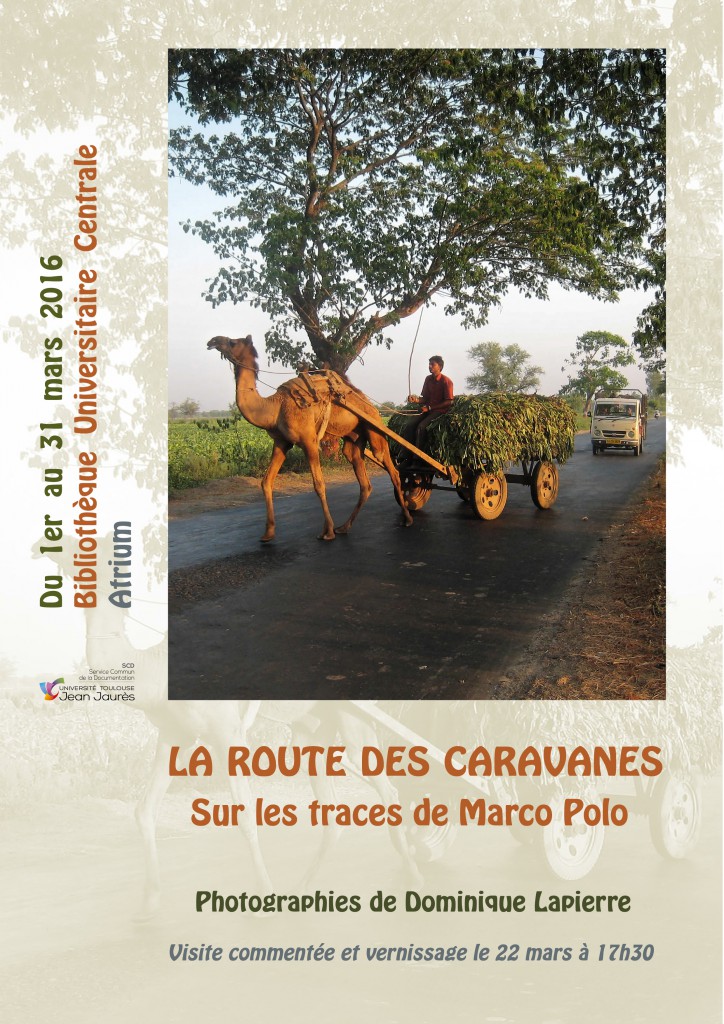
Third part of the photographic project “In the footsteps of Marco Polo”.
After the exhibition “A land, Men” and “Of gods and men”,Dominique Lapierre, author of photos, has the pleasure to invite you to the opening of the third part of the photographic project “In the footsteps of Marco Polo”.
This exhibition entitled “On the caravan route” is dedicated to the merchants and the various trades that I observed during my journey marcopolesque between 2006 and 2011.
Instead: Atrium of the Central Library of the University Jean Jaurès. Metro line A. Station University.
Date : 22 March 2016 from 17:30 to 19:30.
The pleasure you review on this occasion,
Dominique Lapierre
PS: for reasons of logistics, Please confirm your presence